Category: Birds

  • The Drive In Diner – for Birds

    Each winter, Aunt Mel puts out a few bird feeders to help the wild birds forage. There is a feeder of fine thistle for the finches and two feeders of black oil sunflower seeds for everyone else. All sorts of birds from miles away stop by to dine. I guess word got out that the menu at Aunt Mel’s farm is top notch!
    Aunt Mels Animals crazy bird
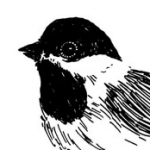
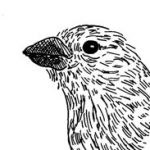
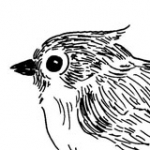
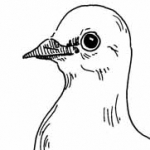
    One little finch is not afraid of Aunt Mel. He will ride along on the edge of the feeder while Aunt Mel fills it with fresh seeds. These are just a few of the types birds commonly spotted at the feeders.

     

  • Run for Your Life – Godzilla is Coming!

    Early one morning Aunt Mel was feeding the horses. Just as she finished putting grain in the last feed tub, the trees began to shake and there was a loud prehistoric “BRAWK!”
    The horses spooked nearly running over Aunt Mel. We spun toward the tree to see if Godzilla was stomping toward us and instead caught a brief glimpse of the big blue heron and his girlfriend flying from the treetops. Phew! Everyone was relieved to see the cranes and not a huge monster!

  • That’s MY Feeder!

    Hummingbirds zig and zag around the feeder on Aunt Mel's front porch

    Every spring the hummingbirds start flying around Aunt Mel’s front porch. They make it known that they’ve returned for the season and expect their feeder to be ready and full at all times.
    Aunt Mel always obliges. Its fun to watch the tiny birds feed throughout the day. Their wings flap so quickly you can’t clearly see them. And if you sit quietly on the porch, they’ll zoom overhead and you can hear them peep at one another.
    But this past summer, things got out of hand. By summer’s end there were at least 20 hummingbirds trying to use the feeder. As time neared for them to migrate hundreds of miles south, they became very aggressive trying to fuel up foe the long trip.
    Some of the hummingbirds would simply loiter around the feeder and when another approached, they were chased off. Others stood on the rim and drank and drank until Aunt Mel was certain they’d pop.
    Many times Aunt Mel covered her head and ducked past the feeder so she wasn’t hit in the head by the bossy hummingbirds. How could something so tiny and cute get so darn bossy?
    By October, it was time for the last of the lingering hummingbirds to fly south. Aunt Mel brought the feeder inside, cleaned it well and stored it for the winter. Finally the fighting hummingbirds left for their winter home.
    Hopefully next summer the trouble makers will find another feeder to patrol!

  • Motherhood is Tough

    Mother wren frantically follows her wayward baby
    For the past four or five years a brown wren has nested in Aunt Mel’s garage. Her nest is located inside a silver metal bucket hanging on a hook near the garage door. The wren flies in and out of the garage with twigs and hay building the perfect nest for her babies.
    Once the chicks hatch, mother wren stays busy delivering bugs to the hungry bunch. She chirps once as she enters the garage to announcing her return. The babies get so excited the bucket sways from side to side.
    This goes on until the babies are able to survive on their own. One morning, Aunt Mel raised the garage door and the babies were gone. She seldom sees them but often hears them singing in the trees.
    But this year was a little different. Aunt Mel watched one intrepid baby as it left the bucket-nest for the first time. The baby wren flew from the nest, brushed past Aunt Mel and landed on the hammock stand. He didn’t fly well and he probably didn’t mean to land on the hammock. But he was chirping and looking around and obviously pleased with his flight to freedom. Mother wren, however, was a nervous wreck.
    As he flitted across the yard on brief spurts of flight, she frantically followed behind, a big bug in her beak like a bribe for him to come back. But he didn’t give her a second look and continued exploring his new world. Mom was right behind him. Aunt Mel wondered how long mother wren followed her independent minded baby. It must be hard when the last one leaves the nest. But next spring, she’ll be back to raise a new flock of little brown wrens.

  • Omlete Anyone?

    When Peep first arrived at Aunt Mel’s farm, she had no way of knowing if this beautiful cockatiel was a boy or girl. But Peep soon showed her gender. Miss Peep regularly lays eggs.

    Each egg is smooth and warm and white. They are the size of your thumbnail. She lays between 3 and 7. She clears a spot in a corner on the floor of her cage and arranges the eggs carefully beneath. She sits all day warming the eggs, moving they around with her beak, and serving her role as diligent mother. But they never hatch because they are unfertilized.

    Eggs usually take 21 days to hatch. When the first egg appears, Aunt Mel marks her calendar. On the 21st day, she removes the eggs so Miss Peep thinks her eggs have hatched. This seems to be a good arrangement. Miss Peep often seems relieved of this duty. She spends the next few days talking, preening and eating and enjoying a good head scratching.

    Miss Peep’s eggs are delicate examples of the strength of nature and motherhood.